Hariti Folklore — Yakshini & the Woman in Red
The mythic roots behind Ghostcase's Chinese hospital horror.
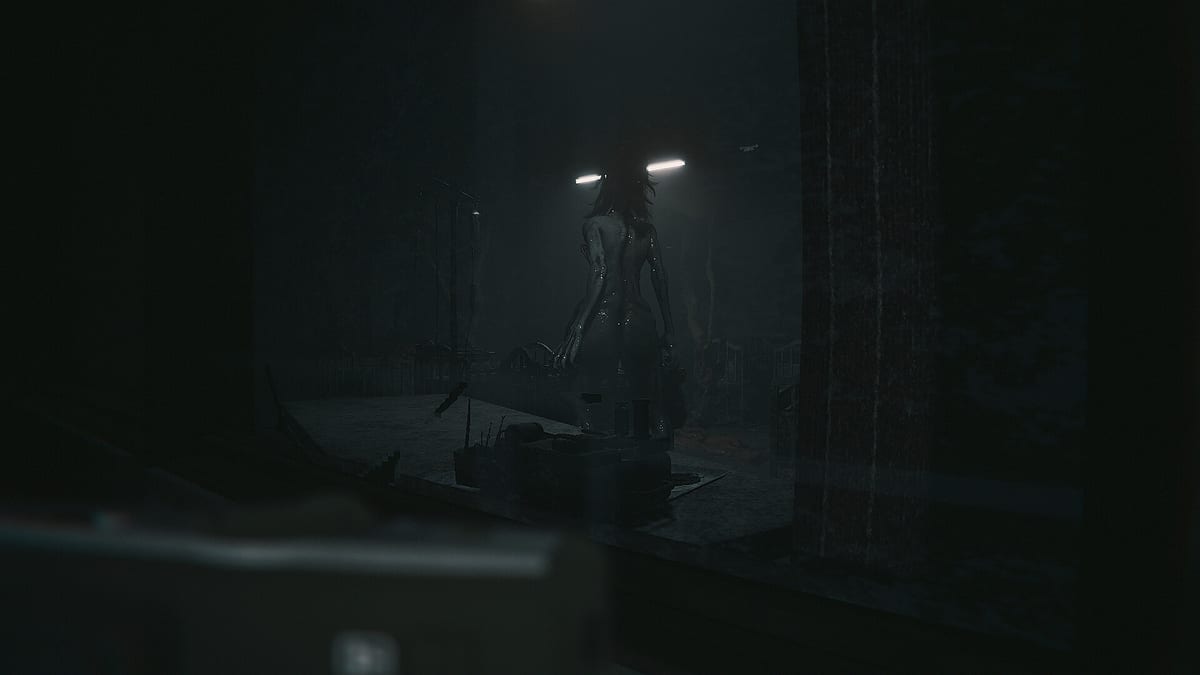
Ghostcase named their 2026 Steam horror game Hariti for a reason that only fully clicks after you have walked maternity corridors, seen red balloons hover near child-height, and met the entity players call the Woman in Red. Hariti in Buddhist tradition is a Yakshini — a class of spirit associated with fertility, hunger, and transformation — who once threatened children before repentance and vows made her a protector of the young. The studio inverts that redemption arc into first-person dread: a mother hunts for Cindy while the hospital offers taboo protection through a stillborn infant weapon and folklore-born predators that wear human grief like a uniform. This page explains those mythic layers so you can read environmental clues on Clues with sharper eyes and understand why guides such as Woman in Red treat color and ritual as mechanics, not set dressing.
Hariti is not a religious game teaching doctrine. It is a psychological horror title using myth the way Western games use vampires — as a vocabulary for fear. Still, the developers clearly researched Yakshini iconography and Chinese hospital ghost stories, blending them with domestic maternal panic. Single-player only, no multiplayer, no codes: the folklore exists to pressure one character’s psyche, not to build shared loot lore.
Hariti the Yakshini: protector myth turned horror title
Traditional stories describe Hariti as a figure who consumed infants until the Buddha intervened, after which she protected children and expectant mothers. Shrines and art often show her surrounded by kids, balancing ferocity with nurture. Ghostcase keeps the duality — hunger and care — but removes the comforting ending. In-game, the name Hariti appears on charts, whispers, and achievement text as if the hospital itself invokes a guardian who arrived too late or answered the wrong prayer.
That inversion explains the stillborn infant on The Stillborn Weapon page. Mechanically it repels entities; narratively it is protection corrupted into something a living mother should never wield. Folklore here is not flavor text in a codex — it is the logic governing why the supernatural respects taboo objects and why child imagery hurts to interact with.
Yakshini and hungry spirits in East Asian horror
Yakshini belong to a broader family of spirits tied to place, desire, and imbalance. Chinese hospital horror adds a modern shell: abandoned wings, broken incubators, and maternity closures where urban legends about wandering nurses merge with older ideas of hungry ghosts. The Woman in Red maps cleanly onto both traditions — a red-robed feminine presence linked to loss, often seen at night, sometimes mistaken for a living patient until she moves wrong.
Players comparing Hariti to Latin American la llorona myths or Western slasher icons miss the local blend Ghostcase targets. Red is not random gore color; it signals folklore attention on you, similar to how balloons signal child’s play turned lure in How to Find Cindy. When audio logs mention women who steal breath from crying babies, they are threading Yakshini hunger through hospital gossip.
Chinese hospital settings as folklore amplifiers
Hospitals are liminal in any culture — places where life starts and ends under fluorescent light. Chinese-style architectural details in Hariti — courtyards, calligraphy plaques, altars tucked near supply closets — ground spirits in recognizable space rather than generic concrete basements. That choice supports exploration items like keys and lanterns from Keys and Tools because each wing feels culturally situated, not interchangeable.
Folklore also justifies the game’s transformation hook: a normal clinic visit becomes nightmare architecture without a logical map because the building is partially spiritual overlay. Doors that should connect do not; elevators arrive on floors that never existed in the real world. Understanding mythic overlay helps when the Walkthrough notes backtracking puzzles that would be absurd in a sane facility.
The Woman in Red as narrative engine
The Woman in Red is Hariti’s most discussed entity — a stalker tied to red fabric, distorted lullabies, and achievements bearing her name. Folklore frames her as neither pure ghost nor pure monster but a rule-set embodied: she enforces boundaries on mothers who refuse to accept loss, or on intruders who open wards that rituals sealed. Encounter guides describe hiding and line-of-sight; lore describes why looking directly at her sometimes triggers pursuit while balloons nearby imply she hunts along child’s paths.
Cross-read Characters to see how developers humanize or dehumanize her across chapters. Cross-read Hide and Seek for mechanical survival. Folklore sits between those pages answering “why red?” and “why a hospital goddess at all?”
Ritual objects and symbols in play
Several symbols repeat because folklore repeats:
Red balloons — child’s joy repurposed as breadcrumb trails; see Clues.
Incense and altars — brief safe zones or false safety before jumps; often near achievement inspectables like Lost Souls.
Dollhouse scale shifts — domestic shrinks and expands like memory; ties to Dollhouse achievement hunting on Achievements.
Stillbirth imagery — taboo boundary between protector Hariti and hungry Hariti; never casual.
Ghostcase avoids explaining every symbol in dialogue. Environmental literacy rewards second playthroughs, which is why wiki lore pages exist for search traffic after the credits roll.
Demo, full release, and developer intent
The Steam demo introduced clinic transformation and pursuit without exposing every myth beat. Demo vs Full Game summarizes content gaps; Launch Notes mark August 11, 2026 as the day the full folklore arc shipped. Ghostcase — three friends in China who previously shipped Dread Flats — describe Hariti as their third nightmare, leaning into cultural specificity rather than generic Steam horror clones.
Our Review evaluates whether myth integration feels earned or ornamental. If you want primary sources beyond the game, the Links Hub lists Steam and contact email for Ghostcase support — useful when subtitles mistransliterate Xinxin or Hariti romanizations.
Reading order with other wiki sections
Start here if you ask why the game is titled Hariti. Move to Characters for who embodies these myths. Jump to Items when symbols become inventory. Use Tools such as the Progress Checklist when folklore sends you hunting optional inspectables across multiple wards. Folklore deepens fear most when you still have something to lose — namely Cindy — and that search remains the emotional spine no myth page should spoil outright.
Frequently Asked Questions
Quick answers to the most common questions.
Is the Woman in Red the same as Hariti the goddess?
The game deliberately blurs names and titles. Folklore treats the Woman in Red as an embodiment of hospital myths tied to Hariti themes, not a one-to-one retelling of Buddhist scripture. In-game text rewards players who notice the overlap without confirming a simple identity.
Does Hariti reference real Chinese urban legends?
Yes in broad strokes — wandering figures in medical facilities, maternity ward taboos, and color symbolism appear in regional ghost stories. Ghostcase fictionalizes details for pacing and does not document a single verified legend.
Will understanding folklore spoil the ending?
Knowing Yakshini protector myths suggests themes about children and redemption but does not replace experiencing the final chapters. Stop at Characters if you want minimal plot exposure before finishing the game.