Hariti Clues, Red Balloons & Hospital Secrets
How Hariti's environmental storytelling guides you toward Cindy and the Woman in Red.
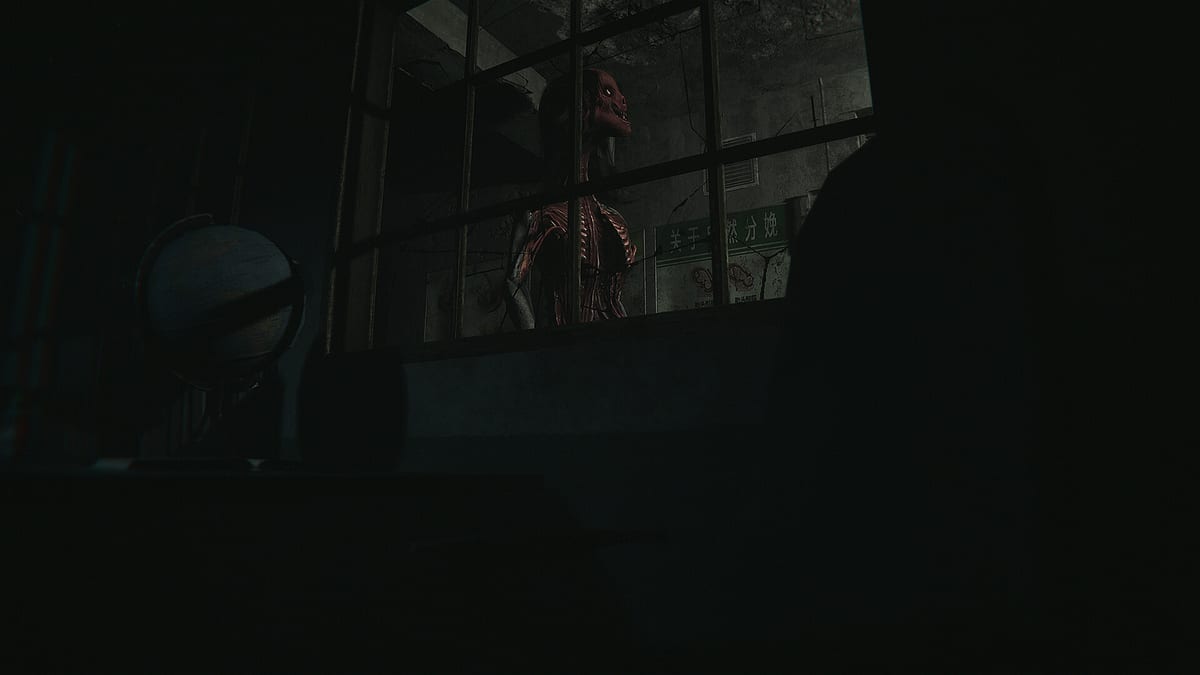
Not every important object in Hariti sits in a numbered inventory slot. Ghostcase fills the abandoned Chinese hospital with clues — red balloons drifting at ankle height, children’s drawings taped where nurses once pinned shift schedules, medical charts with names crossed out, audio logs that mention Xinxin beside Cindy, and posters of folklore figures that foreshadow the Woman in Red. Learning to read these symbols is as important as finding keys on the Keys and Tools page because clues tell you which doors matter, which wards are nightmare overlays, and whether the mother is chasing a living child or a memory the hospital weaponizes.
This guide catalogs clue types, explains recurring motifs, and points to related lore without replacing the Walkthrough room order. Use it when you see a balloon but cannot reach it yet, when whispers mention a lady in red and you need cultural context from Folklore, or when achievement hunting sends you back for inspectable props tied to Dollhouse or Lost Souls on the Achievements page.
Red balloons: trail markers and bait
The red balloon is Hariti’s most visible recurring symbol. Western players often compare it to circus horror tropes, but in context it functions as a child’s lure — something Cindy would chase, something the mother recognizes from happier days before the clinic visit went wrong. Balloons appear near reception desks, at ward corners, and sometimes at the edge of your lantern light so you must choose between stepping forward and triggering an event.
Treat balloons as dual-purpose clues. On the story path they hint toward How to Find Cindy objectives; on the horror path they signal that the Woman in Red or related entities know you are following the trail. If a balloon repeats in a loop corridor, you are likely inside a scripted nightmare sequence rather than a logical geography mistake. Note the room, check for hidden charts, then consult Hide and Seek routes if a pursuer spawns after interaction.
Names: Cindy, Xinxin, and medical records
Hospital paperwork alternates between Cindy and Xinxin — romanized and Chinese forms of the daughter’s name depending on which administrator filled the form. Clues in record rooms, security monitors, and family intake clipboards reconcile the two names for attentive readers long before dialogue confirms they refer to the same missing child. Missing-person timestamps, vaccine schedules, and allergy notes also explain why the mother keeps medicine from Keys and Tools even when no combat system exists.
When records mention stillbirth wards or maternity closures, connect them to the stillborn infant weapon on The Stillborn Weapon page. Those files are not random gore; they set up why the hospital’s supernatural layer offers the player a taboo object. Players who skip reading may think the weapon appears without setup.
The Woman in Red in environmental storytelling
Before a direct encounter, the Woman in Red exists in graffiti, nurse gossip logs, burnt incense trays, and red fabric snagged on broken gurneys. Clues describe her as a wandering figure after dark — a mapping of Yakshini folklore onto hospital urban legends. Community guides for The Woman in Red achievement collect inspect moments that do not always trigger obvious UI prompts; slow down near altars, broken mirrors, and elevator shafts with red light leaks.
Cross-read Characters for entity relationships so you do not conflate every red silhouette with the same intelligence. Hariti uses color coding consistently: red for supernatural predation, clinical white-green for mundane decay, warm tungsten for false safety before lights cut out.
Audio, dolls, and nursery set dressing
Clues you hear matter as much as clues you see. PA systems loop distorted lullabies; telephones ring with no caller ID; distant crying overlaps with your footsteps so you cannot trust directionality. Dollhouse rooms combine miniature furniture with full-scale ward props, blurring scale like the mother’s guilt blurs past and present. Dollhouse achievement hunters should inspect every toy kitchen and miniature bed — interactions are often subtle click targets rather than glowing outlines.
Strange noises referenced by the Strange Noise achievement usually tie to these environmental layers: vents, plumbing, and folklore entities share a sound palette deliberately. If a noise repeats on a timer, it is likely a scripted scare; if it follows your movement, consider stealth rules from Hide and Seek.
Clues versus keys: progression logic
Keys answer “can I open this?” Clues answer “should I open this now?” A security key found near a red balloon is the game’s way of merging both systems — you have the tool and the narrative permission to proceed. When progression stalls, scan for clue density: low-lit bulletin boards, children’s art near adult pathology reports, or red paint strokes that align with map landmarks described in Getting Started.
Optional clues reward thorough explorers with achievement progress and sharper understanding of the ending without gating the minimum path to credits. Speedrunners can ignore many props; first-time players should slow down whenever the music drops to a single held note.
Demo versus full game clue placement
Ghostcase expanded clue chains after Steam Next Fest. The Demo vs Full Game page summarizes which symbols appear in the free sample versus the August 11, 2026 launch build. If a wiki screenshot does not match your demo playthrough, verify you are on the full release before reporting an error.
Tracking clues efficiently
Use the Progress Checklist for inspectables and achievement-linked symbols so you do not rely on memory alone after a chase scrambles your sense of direction. The Items Hub links all pickup categories if you need to bounce between physical tools and narrative objects.
For broader opinion on how effectively clues land, see our Review. Official bug reports about non-triggering inspect points go through contacts on the Links Hub.
Frequently Asked Questions
Quick answers to the most common questions.
Do red balloons always mean Cindy is nearby?
They mark the child's trail metaphorically, but Hariti also uses balloons as bait for scares and folklore encounters. Treat them as direction hints paired with audio cues, not guaranteed safe rooms.
Are Cindy and Xinxin different characters?
No. Hospital records use both forms of the daughter's name. Clues that mention only Xinxin still refer to the missing child the mother searches for throughout the story.
Can I miss clue-based achievements permanently?
Most achievement-linked inspectables remain reachable via checkpoint reload or chapter select if the game offers it. Use the Achievements page and Progress Checklist to revisit rooms before finishing the final ward.