Hariti Lore & Story
Folklore, characters, and achievements that explain Ghostcase's hospital horror.
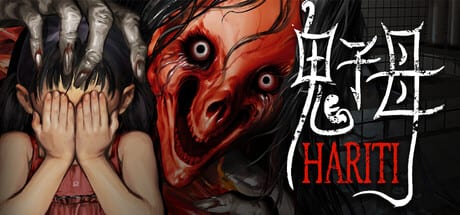
Hariti is a first-person psychological horror game from Ghostcase, released on Steam August 11, 2026, about a mother searching for her missing daughter inside a crisis-ridden Chinese hospital where folklore and grief overlap until you cannot trust either. The title references Hariti the Yakshini — a figure from Buddhist tradition who shifted from consuming children to protecting them — and the game asks what happens when that myth is filtered through maternity wards, stillbirth trauma, and a red-clad entity stalking fluorescent halls. This Lore hub gathers every narrative-focused page on the wiki so you can move between myth, cast, and meta goals without drowning in jump-scare spoilers on your first night with headphones on.
Gameplay stays single-player with no multiplayer and no redeemable codes; the story is fixed but dense with environmental detail. Pair this section with the Walkthrough when you want event order, How to Find Cindy when you want search objectives, and Items when symbolic objects such as red balloons or the stillborn weapon need mechanical context beside lore context.
What this category covers
The wiki labels this category Lore in navigation while files live under players/ for template compatibility. Content here is story-first:
- Folklore — Yakshini mythology, Chinese hospital urban legends, and how Ghostcase maps the Woman in Red onto ancient narratives.
- Characters — the mother, Cindy and Xinxin, hospital staff echoes, entities, and who is real versus manifested guilt.
- Achievements — all eight Steam achievements (Hide and Seek, Lost Souls, The Woman in Red, Strange Noise, Mommy, Baby, Dollhouse, Hariti) explained as lore-adjacent goals rather than dry checkbox lists.
- Ghostcase Studio — the team behind Hariti, Dread Flats connections, and Steam bundle context.
None of these pages replace in-game discovery entirely. They answer the questions search engines see after midnight play sessions: who is the Woman in Red, why balloons, what Hariti means in the title, and whether the daughter survives.
Story premise without ending spoilers
You play as a mother whose sick daughter Cindy — documented sometimes as Xinxin — vanishes during a hospital visit that turns wrong in a single blink. A familiar clinic becomes an abandoned Chinese-style medical facility filled with rust, whispers, and entities born from folklore rather than generic zombies. Your only long-term drive is forward: find Cindy, understand what reshaped the building, survive encounters that force Hide and Seek stealth and occasional last-resort use of the stillborn infant weapon described on The Stillborn Weapon.
Ghostcase previously developed Dread Flats and related horror titles; Hariti refines their taste for domestic spaces turned hostile. Press coverage highlighted cultural aesthetics and maternal fear over action heroics — a fit for players who liked the Steam Next Fest demo and wondered how much the full release expands wards and lore drops.
Themes that repeat across chapters
Several motifs bind the narrative pages together:
Maternal persistence — keys and medicine from Keys and Tools are mundane expressions of a mother who will not leave without her child, even when staff records suggest impossible outcomes.
Red as danger and memory — balloons, fabric, and the Woman in Red entity share a palette tied to both childish innocence and predatory folklore; see Clues for environmental examples.
Hospitals as liminal space — birthing wards, morgue adjacency, and closed maternity wings echo real-world anxieties Ghostcase amplifies into supernatural rule sets.
Repentance corrupted — Hariti the protector goddess becomes a title whispered like a curse; the Folklore page unpacks that inversion without requiring religious study.
How lore connects to guides
Lore pages explain meaning; guide pages explain execution. When folklore mentions a red-robed figure that punishes stolen names, the Woman in Red guide translates that into encounter timing and safe hiding. When community posts ask whether Cindy is alive, lore and How to Find Cindy together separate symbolism from literal plot beats. Our Review adds critical framing about pacing and jump-scare density so you know whether the story payoffs match your tolerance.
Achievements as optional lore chapters
Steam lists eight achievements that double as micro-objectives scanning hidden rooms, audio logs, and confrontation milestones. Treat them as guided re-readings of the hospital rather than multiplayer trophies. The dedicated Achievements page links each name to story context and suggested order for completionists using the Progress Checklist.
Updates and official sources
Ghostcase may patch typo’d subtitles or trigger volumes post-launch; narrative text changes are rare but logged on Launch Notes and the Updates Hub. Purchase and demo links, plus developer email for story bug reports, sit on the Links Hub. Hariti targets Windows 10 or newer with modest specs detailed on System Requirements — lore hits harder with good headphones than with a ray-traced GPU.
Watch the embedded launch trailer above for tone reference before you dive into spoiler-heavy pages. Then choose Folklore if you care why the game is named Hariti, Characters if you care who speaks in the dark, or Achievements if you are planning a second run with intentional 100 percent goals.
Frequently Asked Questions
Quick answers to the most common questions.
Is Hariti based on a true story?
No. Ghostcase builds fiction from Chinese hospital settings and Yakshini folklore. Some medical imagery feels realistic, but the supernatural plot and entities are invented for horror pacing.
Do I need to understand Buddhism to follow the plot?
No. Folklore references enrich the title and Woman in Red symbolism, but the mother-daughter search works on human emotion alone. The Folklore page adds context for curious players.
Where should I go after this hub to avoid major ending spoilers?
Read Folklore and Characters with care — they discuss themes and entities but avoid final-reveal wording. Save Achievements until you have finished a chapter or two, since achievement hints can imply plot turns.