Hariti Jump Scares & Monster Encounters
What startles you, what hunts you, and how audio cues beat panic sprinting.
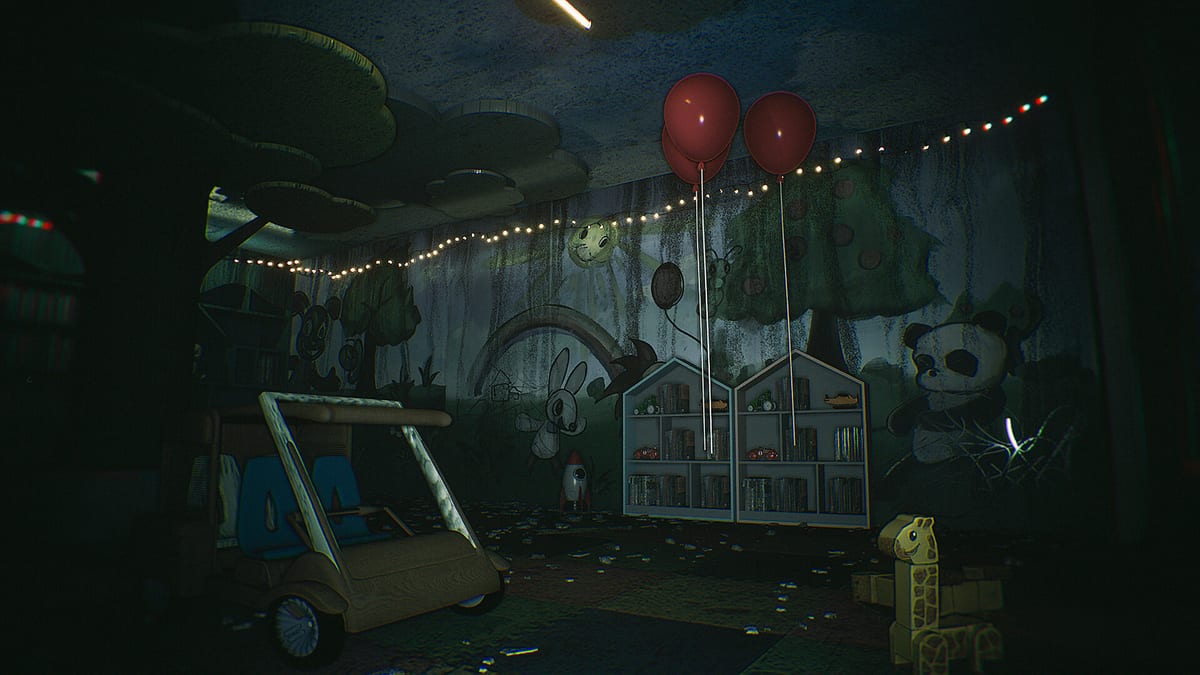
Hariti builds dread slowly, then spends it in concentrated shocks: clinic transformations, closet reveals, morgue set-pieces, and the towering Woman in Red. This guide catalogs the kinds of jump scares and monster encounters players report after the August 11, 2026 Steam launch and the Next Fest demo — without listing every frame spoiler. Use it if you want fewer surprise deaths, if you are sensitive to sudden audio spikes, or if you are deciding whether the game’s scare density fits you before buying. Practical survival still lives on Hide and Seek and Woman in Red.
The embedded playthrough shows how encounters feel in motion; watch with volume caution if you are scare-sensitive.
Scare design philosophy
Ghostcase mixes three layers:
- Atmosphere scares — empty wards, wrong silence, distant rubber footsteps that never resolve into a chase.
- Scripted shocks — a figure in a doorway, a body in a stall, a sudden PA burst when you examine a chart.
- Active hunts — the Woman in Red (and related pursuers) forcing crouch, hide, and listening skill.
Players who only expect constant jump scares often misread the quiet first hour as “nothing happening.” The opposite mistake is treating every shadow as a hunt and burning sprint stamina early. Getting Started trains the crouch default that prevents both.
Clinic and opening shocks
The doctor’s office visit is the tonal bait-and-switch. Common early shocks:
- Environment state changes after a blink or blackout — lights, signage, and occupancy flip without a cutscene button prompt.
- Missing staff where NPCs stood moments earlier.
- Medicine and chart examines that trigger whisper or stinger audio.
These are rarely lethal. They teach you that Hariti can rewrite a room while you look away. Keep exploring drawers; the Puzzle Solutions page covers the medicine gate that follows.
Woman in Red encounters
The flagship monster is the red-robed stalker tied to Yakshini folklore on Folklore. Encounter types:
- Distant silhouette — non-lethal scare; note corridor direction and leave.
- Patrol hunt — audio-led; crouch, kill unnecessary lantern light, use lockers and beds from the Hide and Seek guide.
- Scripted capture / set-piece — some demos show torso or morgue locker sequences that feel like death but continue the story. Do not mash quit; wait for the next interact.
Combat with the stillborn weapon is a last resort documented on The Stillborn Weapon, not a jump-scare skip button.
Audio cues that predict scares
Headphones are the real accessibility tool here:
| Cue | Likely meaning |
|---|---|
| Soft rubber steps not matching your pace | Patrol approaching |
| Mix loses bass / muffles | Safe hide window nearby |
| Sharp stinger on examine | Scripted shock, usually not a chase start |
| Child whisper in vents | Lore / Clues inspect, sometimes Strange Noise achievement |
| Balloon string creak during hunt | Chase marker, not Cindy trail |
Learning this table reduces “unfair” deaths more than any map. The Strange Noise achievement rewards curious listening; jump scares punish careless sprinting.
Morgue, nursery, and dollhouse shocks
Mid-game wings lean into body horror and childhood uncanny:
- Stall and locker peeks that reveal remains or dolls.
- Dollhouse rooms that mirror full-size wards in miniature.
- Infant imagery tied to maternity closures — content warning for players sensitive to stillbirth themes.
These scares often sit next to progression items. If you flinch and sprint out, return crouched to finish the inspect for How to Find Cindy breadcrumbs.
How to reduce surprise deaths
- Crouch by default after the intro clinic.
- Pause three seconds after every new room’s audio bed settles.
- Turn off motion blur if your build allows — narrow halls already compress depth.
- Keep subtitles on so VO warnings are readable during stingers.
- Manual save before nursery and rooftop chapters.
- Read Woman in Red once before the first major hunt instead of after five deaths.
Jump scares versus review score
Day-one Steam reception sits in Very Positive territory for players who want atmospheric Chinese hospital horror. Some negative takes cite scare frequency or infant imagery rather than bugs. Our Hariti Review weighs atmosphere against length and price; this page exists so scare-sensitive buyers can self-select with eyes open. The free demo remains the best preview of shock density — see Demo vs Full Game.
Monsters beyond the Woman in Red
Expect grotesque folklore-born silhouettes and body distortions beyond a single boss model. Ghostcase’s press notes emphasize “terrifying monster design” rooted in ancient folklore rather than generic zombies. Treat unfamiliar shapes as listen-first, sprint-second. Story meaning sits on Characters; mechanical response sits on Hide and Seek.
After a scare chain — what to do next
- If you died: reload, crouch, and retry the same corridor once before reading spoilers.
- If you survived but are lost: Puzzle Solutions and Walkthrough.
- If you want lore calm-down: Folklore without chase pressure.
- If you are done for the night: bookmark Launch Notes and return with fresh headphones.
Jump scares are a tool in Hariti, not the whole thesis. Master the audio grammar and the hospital becomes readable — still frightening, but fair.
Frequently Asked Questions
Quick answers to the most common questions.
Does Hariti have constant jump scares?
No. The opening hour is quieter. Shocks and hunts cluster after the clinic transformation and in mid-to-late wings. Atmosphere does more work than stingers alone.
What is the main monster in Hariti?
The Woman in Red is the flagship pursuer, backed by other folklore-grotesque figures. Read the Woman in Red and Folklore pages for rules and myth context.
Can I turn jump scares off?
There is no scare-off mode. Use subtitles, lower peak volume, disable motion blur if available, and practice crouch pacing. The demo shows whether the density suits you.
Are morgue locker scenes instant game overs?
Some capture set-pieces continue the story instead of ending the run. Wait for the next prompt before quitting to desktop.